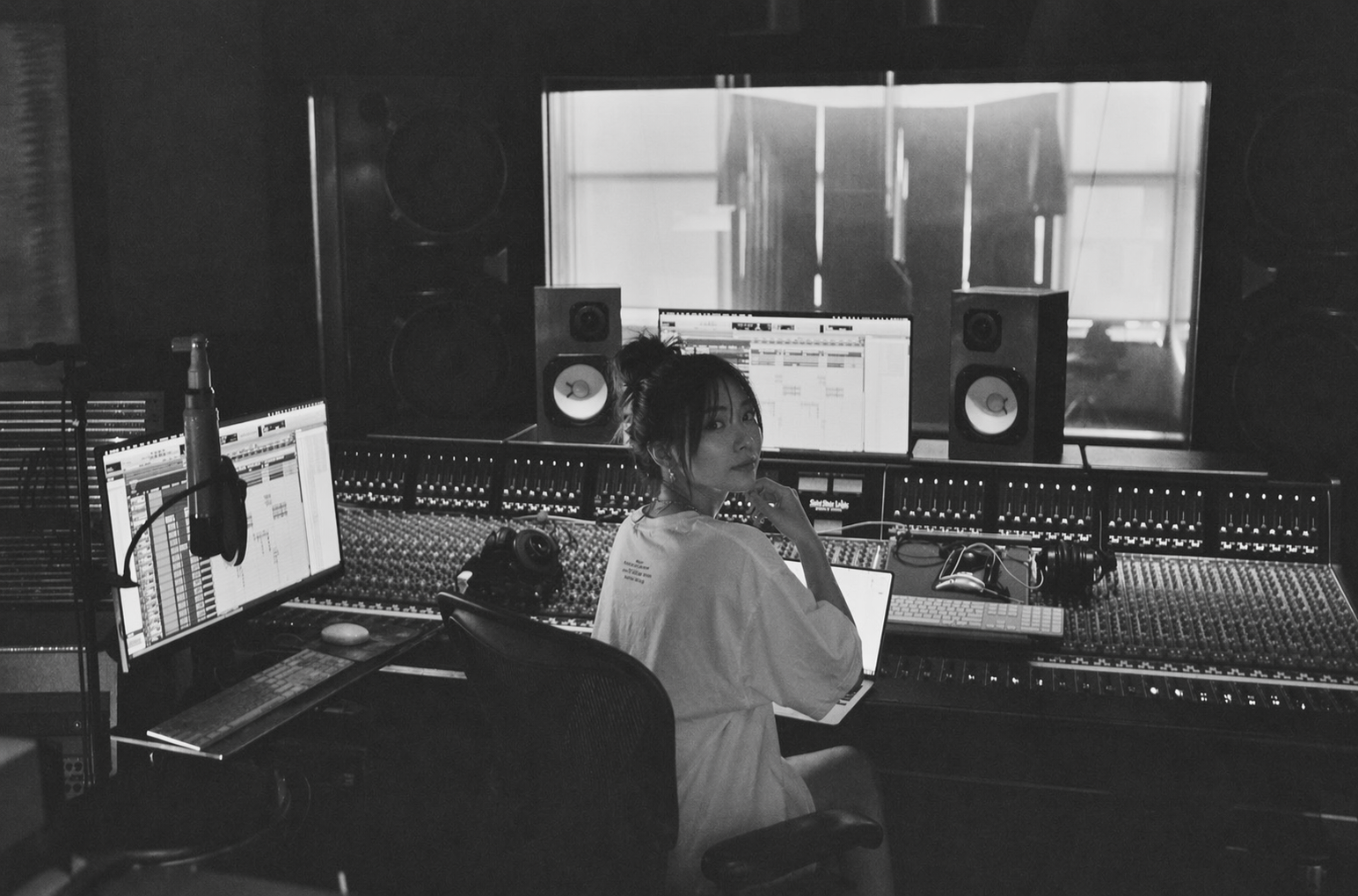
There’s a conversation that seems to happen in almost every studio eventually. It usually starts once the session is over, the speakers are off and somebody says, "So… how's work?" Not the music. The work. For people outside the industry, those two things sound like the same topic. For producers, mixing engineers, beat makers and sound designers, they often couldn't be more different. Making music is why we got into this world. Building a business around it is something most of us learned along the way.
When we were younger, the dream was simple. Make great records, work with talented people and hopefully earn a living doing what we love. Nobody really explained that, somewhere between finishing your hundredth session and landing your first steady clients, you would quietly become a small business owner. One day you're producing an EP for an independent artist. The next you're mixing an album remotely for someone you've never met. A week later you're finally packaging that sample pack you've been talking about releasing for months, while another producer asks whether you're available for a feedback session and somebody else wants to license one of your beats. None of that feels unusual anymore. In fact, that's what a creative career increasingly looks like.
The modern audio creator doesn't wear one hat. They wear several, often all in the same week. The interesting part is that this shift didn't happen because creators wanted more work. It happened because the industry changed around them.
The studio is no longer the whole business
Technology has transformed almost every part of music production. The barriers to creating professional-quality music have never been lower. A laptop can replace rooms full of equipment that were once only available inside commercial studios. Collaborations happen across continents, sessions move through the cloud and artists can release music independently without ever stepping into a record label's office. Creatively, these are remarkable times. Commercially, they're more complicated.
Success no longer comes from doing one thing exceptionally well. It often comes from combining several different skills into a sustainable business. A producer may earn income from records, but also from sample packs, educational content, consulting, brand partnerships and remote production services. A mixing engineer might work with artists during the week while building digital products that generate income long after the session ends. The opportunities are there, but every opportunity brings another layer of organisation.
That isn't necessarily a problem. Most creators are incredibly resourceful. Give a producer a challenge and they'll usually find a way around it. Over the years, people have built their own systems using whatever tools were available. Files live in Dropbox. Invoices sit in accounting software. Products are sold somewhere else. Bookings happen through another service. Links are collected on a profile page. Messages arrive across three different social platforms. Somehow, it all works. Or at least it works well enough. If you've been producing for a while, you've probably accepted this as part of the job.
The business slowly became bigger than the music
One of the strange things about working in audio is that nobody really teaches you how to build a business. You'll spend years learning microphone placement, compression, arrangement and sound design. You'll watch tutorials, study records and obsess over tiny details that nobody else notices. What you probably won't spend much time learning is how to organise a client pipeline, present your work professionally, manage digital products or build relationships with people who genuinely value what you create.
Those skills usually arrive through experience. Sometimes through mistakes. Sometimes because another producer shares a spreadsheet they've been using for years. Sometimes because you've spent an entire Sunday evening chasing files that should have been organised months ago. It's a quiet part of the industry that rarely gets talked about, yet almost everyone recognises it.
We've all had hard drives full of projects called Final_v4_REAL_Final. We've all forgotten where we uploaded something. We've all spent longer than we'd like looking for an email we were sure we'd replied to. None of these things make someone a better producer. They simply take time away from producing.
More opportunities should mean more freedom
One of the best things about today's music industry is that creators are no longer limited to a single career path. Some producers never want to sell a beat. Others have no interest in offering mixing services. Some build incredible businesses around sample libraries, while others prefer working closely with a small group of artists year after year. There isn't one correct model anymore. That's something worth celebrating.
The goal shouldn't be to convince every creator to build the same business. The goal should be to give them the freedom to build the business that suits them. The music industry has become wonderfully diverse, but the tools supporting creators haven't always kept pace. Many platforms solve one specific problem exceptionally well. That's valuable, and many creators rely on those services every day.
The challenge begins when your career no longer fits neatly into a single category. What happens when you produce records, sell sample packs, offer consulting and occasionally collaborate with brands? What if you don't want to send people to four different websites just to understand what you do? Those are the conversations we kept hearing.
Why we started Trakmode
Trakmode didn't begin with a grand ambition to reinvent the music industry. It began with conversations. Conversations with producers who were tired of sending clients through a maze of different links. Conversations with engineers who wanted a cleaner way to present their work. Conversations with creators who had built successful careers but still felt like the business side of their work was held together with tape.
The more we listened, the more one idea kept coming back. Maybe creators don't need another platform telling them how to work. Maybe they simply need better infrastructure. That's the philosophy behind Trakmode.
Not to replace the tools people already love. Not to tell creators what they should sell. Not to define what success looks like. Instead, our hope is to provide a place where the different parts of an audio creator's business can live together naturally, allowing people to spend less time managing the work and more time doing it. Some creators will find that useful. Others may already have a system they're happy with. Both are perfectly valid.
Looking forward
For decades, the people behind the sound have shaped the records, albums, films and experiences that define culture. They've often done so quietly, without asking for much attention. What feels different today is that more of those creators are choosing to build something of their own. They're building independent careers. They're creating products as well as music. They're working directly with their audiences. They're discovering that success doesn't have to look the same for everyone.
We think that's one of the most exciting changes happening in music today. Whether Trakmode becomes part of someone's journey or not, we hope the conversation continues, because the people behind the sound deserve tools that understand how they actually work—not how someone else thinks they should.
After all, great music has always started in the studio. Perhaps the next chapter starts with giving the people in that studio a little more freedom to build the careers they imagine.
Where Sound Gets Paid.